
FIELD SYSTEM — 02/03
Could we build a smart farm ourselves?
We'd built the greenhouse, but didn't know how to fill it with a smart farm. We'd been learning for two years and still hadn't installed anything ourselves.
August 20, 2025
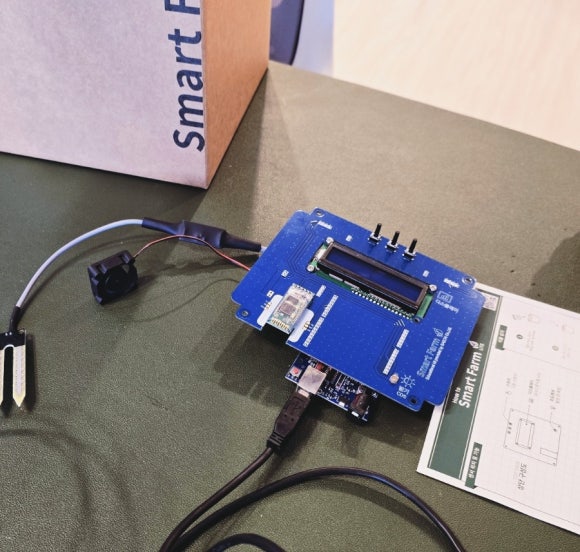
"Smart farms are supposed to be expensive — can't I do it on my own?" It's a thought many farmers have at some point. As the greenhouse was finished and work began inside the hydroponic facility, the question became the task right in front of us.
The costs we looked into then
Many of the smart farm systems we looked into at the time cost tens of millions of won. Still, to reduce the burden of managing the hydroponic facility and of labor, a smart farm was unavoidable these days.
Two years of learning, and still nothing installed
It had been two years since we started learning ourselves, since we're "young farmers" after all. We went to smart farm lectures at the agricultural technology center, hands-on training, even a smart farm study group with the 4-H youth club, but it still felt just out of reach. We knew we could buy cheap sensors from places like AliExpress and install only the functions we needed. We'd already bought a hydroponic tower and were using it well. The problem was "if you buy those things, how do you install them?" — after two years of learning, we still had no answer.
2025 FIELD RECORD
- Costs we looked into then: smart farm systems often cost tens of millions of won
- Learning period: about 2 years (as of 2025), with no hands-on installation experience yet at that point
- What we tried: teaching ourselves Python, micro:bit hands-on training, AI lectures, a smart farm study group
The biggest wall was coding
We bought Python books and read them, took micro:bit hands-on classes and attended AI lectures several times, but we still couldn't figure out "how to actually apply it to a smart farm."
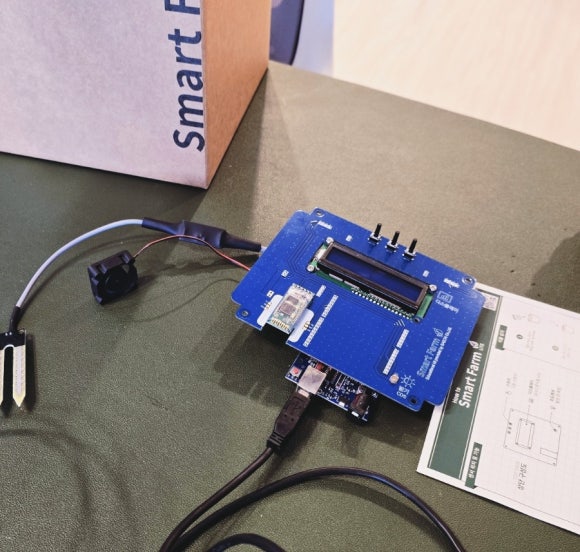
Our first hands-on smart farm control with an Arduino-based sensor kit.
The smart farm digital education instructor course
Then, while preparing the experience farm, we thought, "we should install a smart farm and turn running it into an educational program," and signed up for the Level 1 smart farm digital education instructor course. It covered coding step by step, connecting sensors and devices through code and uploading it to an Arduino, running devices based on sensor readings, and linking it all to a smartphone over Bluetooth. It was exactly what we'd wanted to learn.
These days you don't need to spend tens of millions of won — if you learn a bit of coding and know how to install things... you can pick and install only the features that suit your farm.
KEY NOTES
- · Smart farm learning period: about 2 years (as of 2025), with no hands-on installation experience yet at that point
- · What we tried: teaching ourselves Python, micro:bit hands-on training, AI lectures, a smart farm study group
- · The course that sparked it: Level 1 smart farm digital education instructor
Looking back now — trying to learn how to control things ourselves in this period led to the farm automation we later built with Home Assistant.
Related Story
Next Reads
FIELD SYSTEM — 03/03
April 19, 2026
How the aquaponics we'd only imagined became a real facility
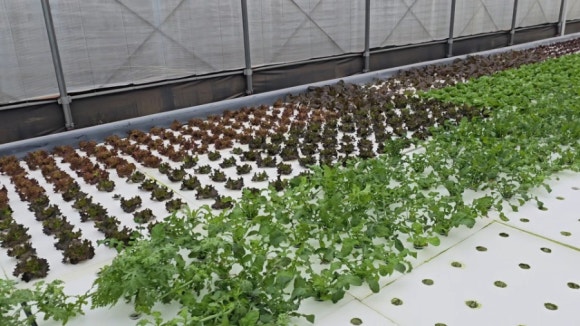
A hydroponic test stage, settling the system with nutrient solution before adding fish. The aquaponics we'd prepared for so long finally took its first step.
FIELD SYSTEM — 01/03
FROM THE ARCHIVE · 2024
After giving up on mangoes
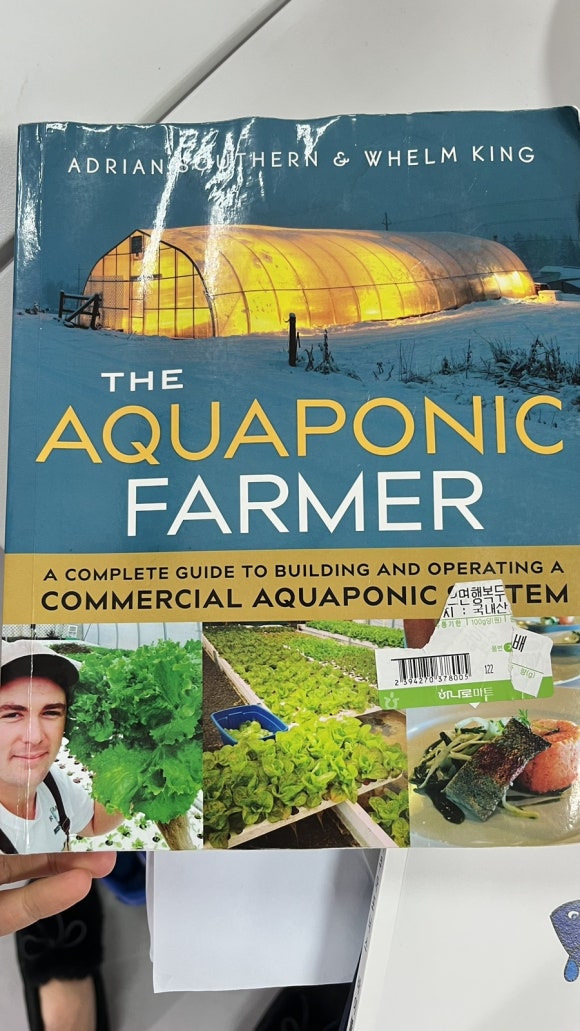
As we dropped our plan to grow mangoes and turned toward growing many kinds of crops, aquaponics naturally caught our eye.
Comments
No comments yet.