
BUSINESS
Farming turned out to be a business
Three years after coming to Jeju, what we really learned wasn't how to grow — it was how to make something we could sell.
October 18, 2025
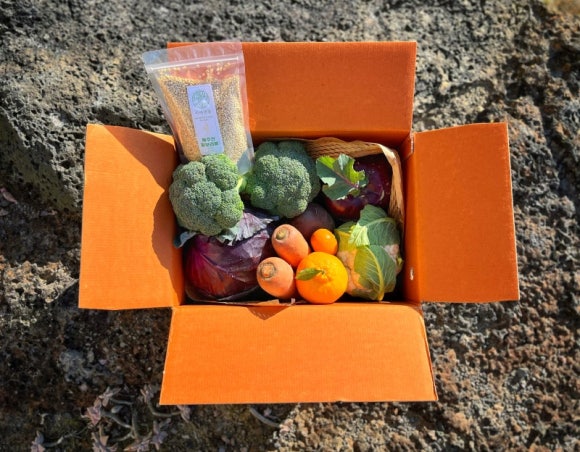
It can be summed up in one word, "returning to the land," but the path we actually chose wasn't simply that. More precisely, it was a "farming startup" — a business built on agriculture.
Returning to farm isn't "starting to farm" — it's "starting a business"
Many people think of returning to farm as "moving to the countryside to farm," but at our scale and with our sales structure back then, it was hard to make a stable income from selling raw produce alone. For young new farmers, the scale is small and the burden of machinery and labor costs is heavy, so how you sell, how you build a brand and what value you add became the key. Taking photos, promoting online, packaging, shipping, product development, even writing business plans — all of it was the farmer's job. That's why we started introducing ourselves not as "farmers" but as "agricultural entrepreneurs."
Three years kept afloat by support programs
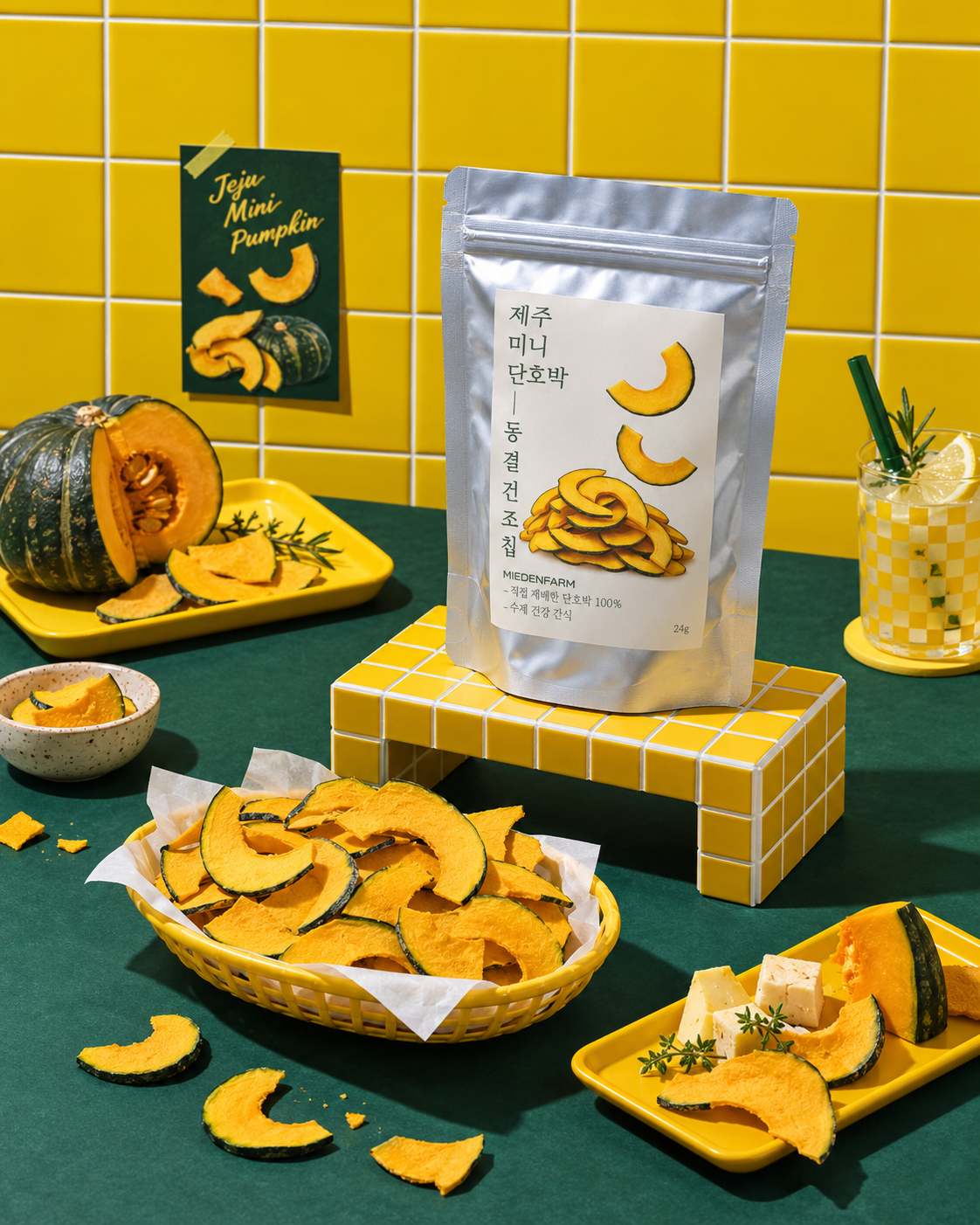
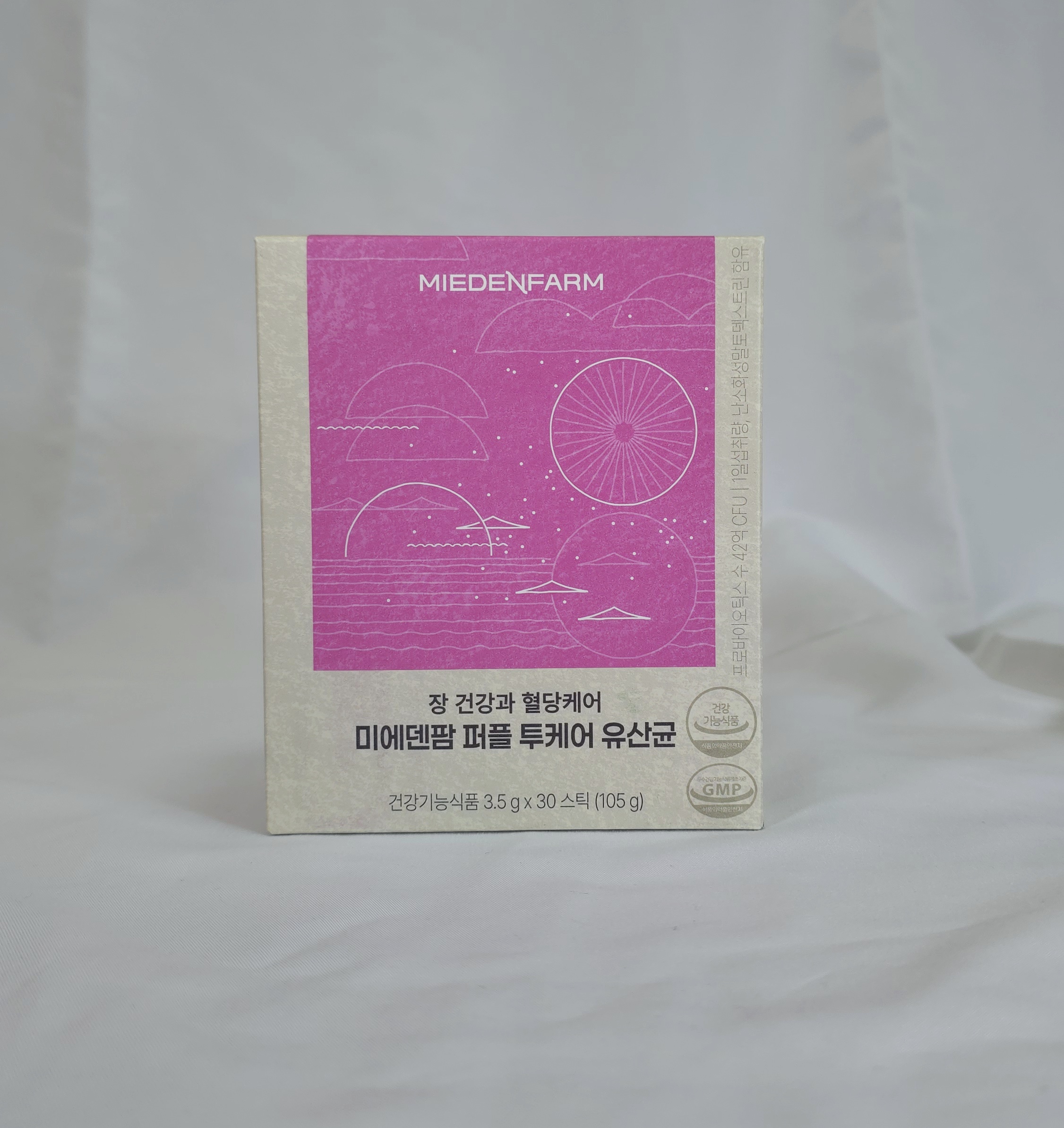
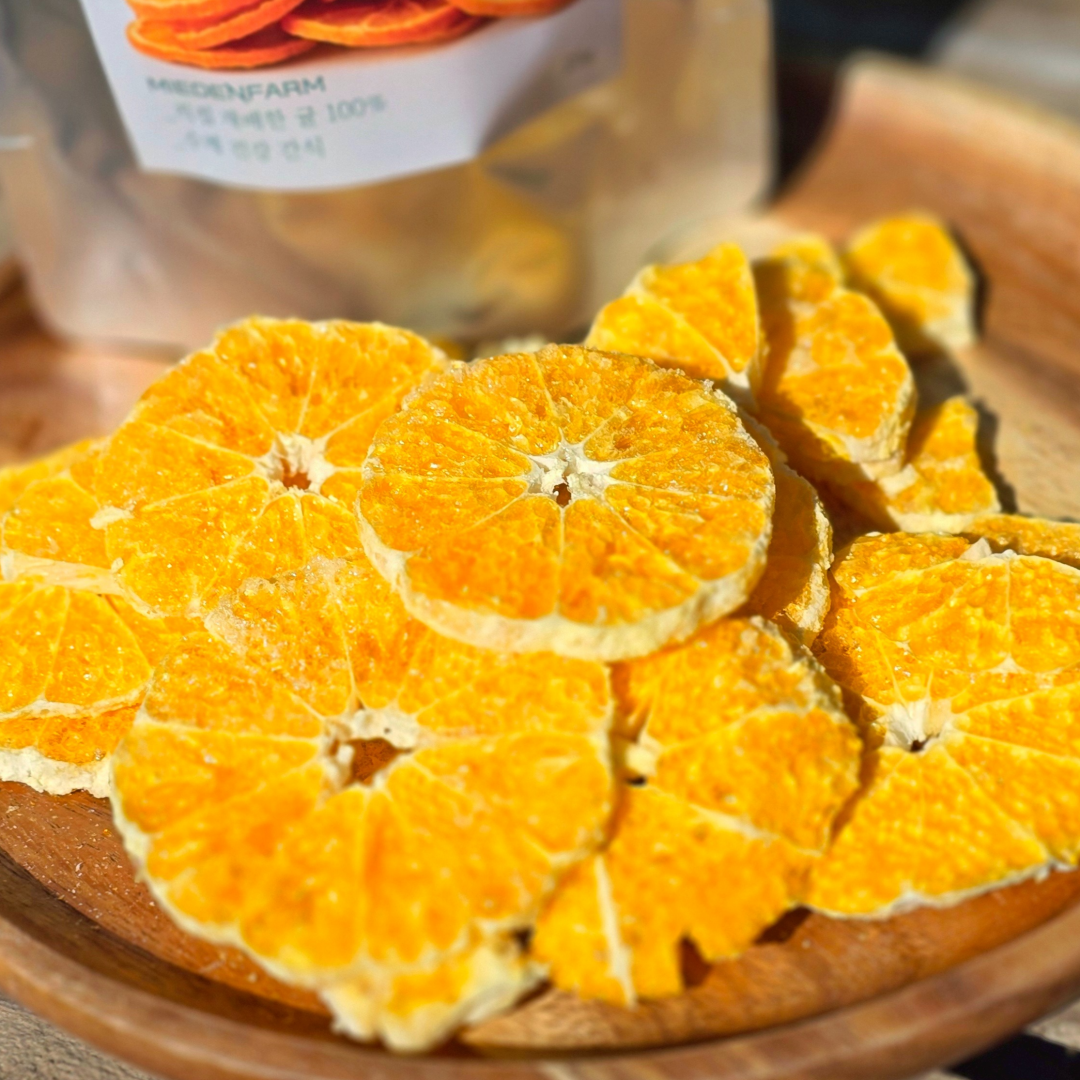
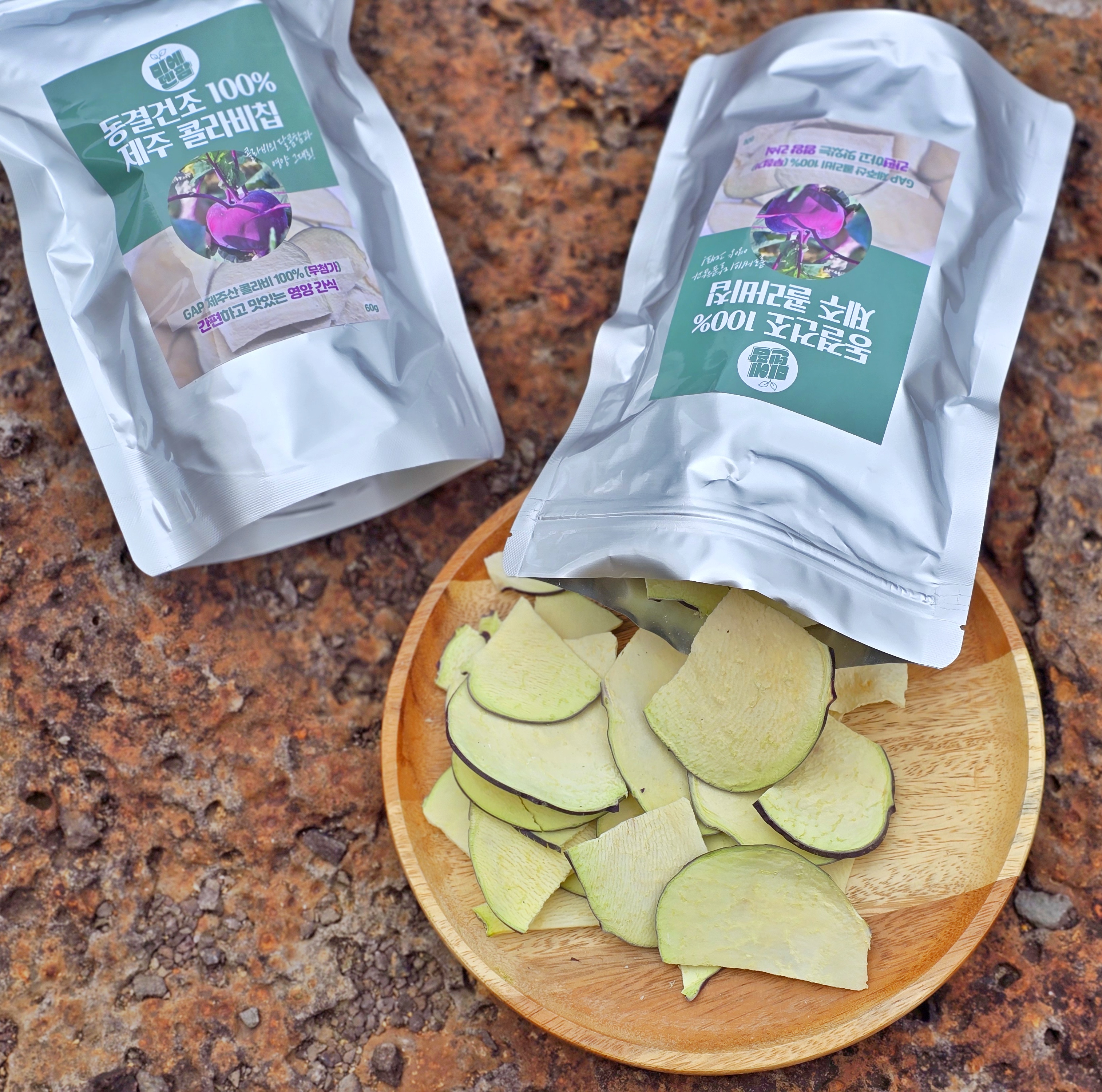
For a startup farm without enough capital, the remaining option was support programs. We secured greenhouse farmland with a young startup farmer loan, and later built a vegetable greenhouse through a Jeju agricultural support program (with our own share of the cost as well). In the expansion stage, we were selected for the Youth Startup Academy and developed Purple TwoCare Probiotics using kohlrabi, and we got a license to sell processed foods we make ourselves, so we started making freeze-dried chips and powder products. Through a residency at the Jeju National University Business Incubation Center, we also developed a kohlrabi fermented enzyme product.
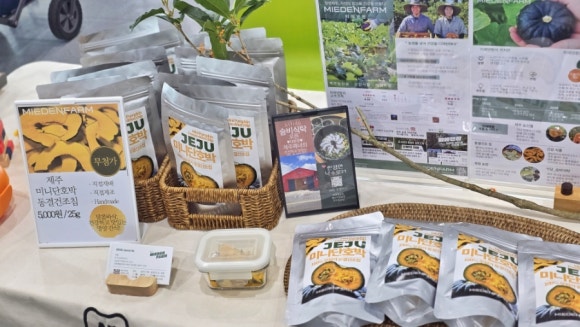
Our booth at the Jeju Farmers' Market, where we went to sell.
The problem of seasonal-only products
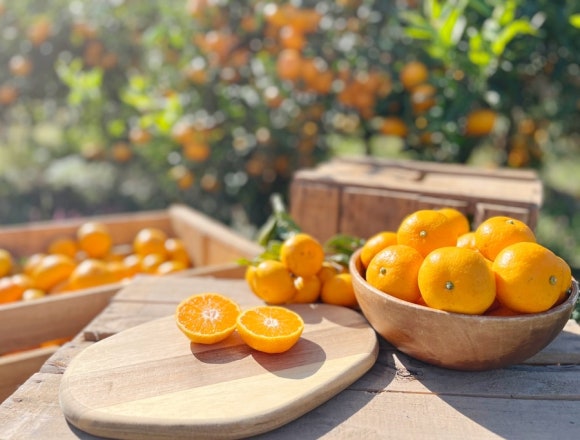
Kohlrabi in January–February, kabocha in July–August, tangerines in October–December — we only had something to sell in each season, and no income the rest of the time. For a while we sold other farms' produce on consignment, and even bought mackerel at the Hallim fish market to clean and vacuum-pack ourselves, but the quality wasn't consistent and there was no margin unless we bought in bulk, so there was little left for the labor. In the end we chose products we could produce year-round — hydroponic salad greens and leafy wraps. Soil growing is heavily affected by climate and has long growing cycles, so we decided to make year-round products with a hydroponic smart farm we could manage with data.
SEASONAL BUSINESS
- Kohlrabi — Jan–Feb
- Kabocha — Jul–Aug
- Tangerines — Oct–Dec
- The rest of the year — no income
Not stopping at raw produce
We expanded the produce we grow into processed products like freeze-dried chips, kohlrabi fermented enzyme and Purple TwoCare Probiotics. Next, we're preparing an experience farm (aquaponics). The direction is to connect primary production, processing and hands-on experiences. Administrative procedures, hygiene, brand building, distribution, permits — none of it is simple, but it was unavoidable if we wanted to make a living from farming after moving to the countryside.
Farming is the oldest business, and still one of the most promising startup ideas. But returning to the land alone isn't enough.
Looking back now — the conclusion we reached then, "make something we can sell all year round," has become the principle running through MIEDEN FARM's entire product lineup.
Related Story
Related Product

Next Reads
Comments
No comments yet.